What is ECHO in Radiology?
ECHO in Radiology is a test that uses sound waves to create pictures of the heart. Doctors often call this test an echocardiogram. It helps them see how the heart works. Because it is safe and painless, many people have this test each year. The ECHO test gives clear images of the heart’s size, shape, and movement. In fact, it is one of the most common heart tests used today.
Why is an ECHO Test Performed?
Doctors use an ECHO test to check for heart problems. For example, it can help find:
Sometimes, doctors order this test if you have chest pain or shortness of breath. In addition, it helps them track heart health over time.
How Does an ECHO Procedure Work?
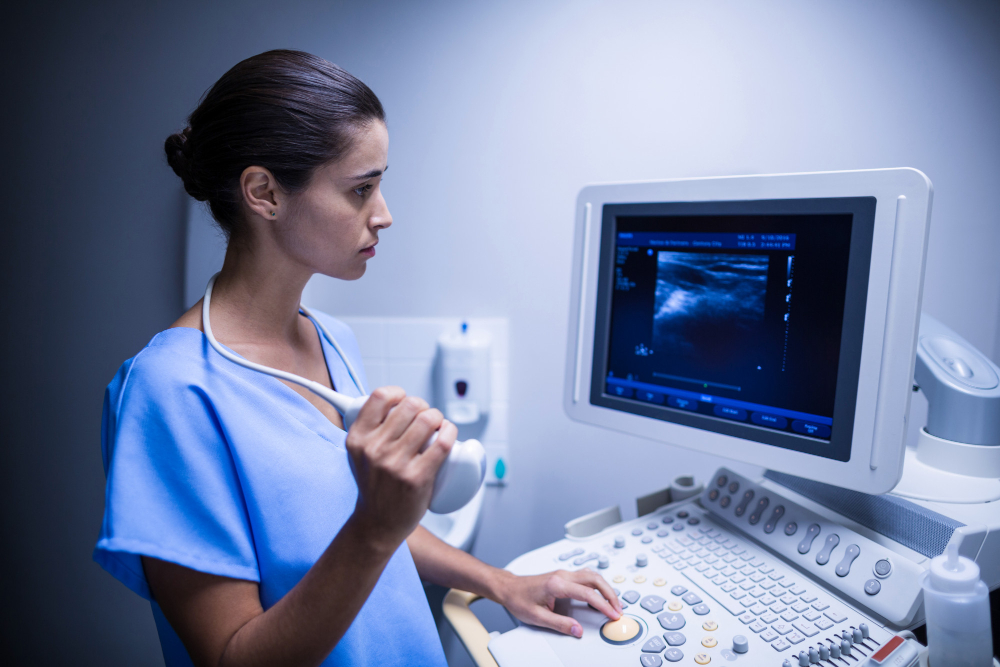
The echocardiogram procedure uses a small device called a transducer. The doctor or technician moves this device over your chest. It sends out sound waves that bounce off your heart. Then, a computer turns these waves into moving pictures. Because the test does not use radiation, it is very safe. Usually, the whole process takes about 30 to 60 minutes.
Preparing for an ECHO Test
Most people do not need special ECHO test preparation. However, your doctor may give you some instructions. For example:
Sometimes, you may need to avoid caffeine or certain foods. Always check with your doctor before the test.
What to Expect During and After the ECHO
First, you will lie on a table. Next, a technician will place sticky patches on your chest. These patches help track your heart’s rhythm. Then, they will move the transducer over your chest. You may feel cool gel on your skin, but it does not hurt. After the test, you can return to your normal activities right away. There is no recovery time needed.
Understanding Your ECHO Results
After the test, a doctor will review your ECHO results. They look for signs of heart problems. For example, they check how well your heart pumps blood. They also look at the heart valves and chambers. Sometimes, the doctor may find a problem that needs more tests. However, many people have normal results. Your doctor will explain what your results mean and what steps to take next.
Safety and Risks of ECHO
ECHO safety is very high. The test does not use radiation, so it is safe for children and adults. Most people have no side effects. Rarely, the gel may cause mild skin irritation. According to the American Heart Association, ECHO is a safe and trusted tool for heart care.
Frequently Asked Questions about ECHO
Conclusion and Next Steps
In summary, ECHO in Radiology is a safe and helpful test for checking heart health. It gives doctors important information about your heart’s function. If your doctor recommends an ECHO, you can feel confident about the process. For personalized advice about ECHO tests, consult a radiology specialist.